


A bakery floor can go from dry flour to wet cleanup within the same shift. Mixers shake above it. Racks cross it. Oils and ingredients spill. Staff move quickly between preparation, baking, cooling, and cleaning areas. Near ovens, the floor may also experience much higher temperatures than surrounding rooms.
Pro Dynamic Floor Solutions installs bakery floor coating in Ohio for commercial bakeries that need flooring planned around production rather than appearance alone. The right system should support cleaning, traction, equipment traffic, and daily sanitation while limiting the time production areas remain unavailable.

Flour looks harmless until it mixes with water or oils. Dry powder can spread across a large production area. Once wet, it can become a paste that requires more effort to remove. Dough, sugars, fats, fillings, and other ingredients create their own cleanup problems.
Bare concrete complicates that job because it is porous. Liquids and residue can work into the surface, while worn concrete may become increasingly difficult to clean evenly. A properly selected resin floor creates a more finished surface.
Pro Dynamic Floor Solutions currently describes its bakery systems as non-porous and easy to clean, which directly addresses one of the biggest day-to-day issues in commercial bakery flooring.
Still, coating choice should follow the bakery. A small retail bakery and a high-output production facility may face very different traffic, heat, washdown, and sanitation demands.
Bakery sanitation happens repeatedly. That means flooring needs to work with the cleaning routine instead of slowing it down. Grout lines, damaged concrete, rough patches, and poorly repaired joints can hold residue in places that take longer to clean.
A resin system reduces those interruptions across properly prepared areas. However, surface texture needs balance. A completely smooth finish may wash easily but become less forgiving when wet. A highly aggressive texture can improve grip yet make scrubbing more demanding.
The correct profile sits somewhere between those extremes. Production managers should consider how the bakery actually cleans.
Does the floor receive routine mopping, wet washing, stronger sanitation chemicals, or hot-water cleaning? How frequently does residue collect near mixers or preparation tables?
Those answers should help determine the system and texture.
Bakery staff rarely move slowly during production. Water, oil, dough residue, and food ingredients can increase slip risk in the same areas where employees carry trays or move equipment. That makes traction part of the flooring specification.
Urethane and resin flooring systems can use aggregates or textured finishes to improve grip in wet or greasy environments. Technical guidance for urethane cement specifically recommends matching texture to wet and greasy conditions rather than treating every floor the same.
However, the entire bakery may not need identical texture. Dry packaging areas can have different needs from mixing or wash areas. The flooring plan can reflect those zones while keeping the overall finish visually consistent. Safety works better when it follows actual risk areas.
Heat changes the conversation. Bakery floors near ovens can experience repeated temperature changes that ordinary commercial rooms never face. Hot equipment, warm spills, cold cleaning water, and heated washdowns can create rapid changes in floor temperature.
That is where urethane cement flooring can become valuable.
Urethane cement systems are widely used in commercial kitchens and bakery environments because they can handle stronger thermal changes and hot-water cleaning better than many standard coatings.
This does not mean every bakery needs the same thick urethane system across every square foot.
Instead, high-temperature zones deserve specific evaluation. Oven lines, wash areas, cooler transitions, and standard dry production sections can place different demands on the floor. Matching the system to those conditions helps avoid overbuilding one area while under-specifying another.
Commercial bakery equipment creates repeated traffic patterns. Racks move between production stages. Carts cross the same paths. Mixers and fixed equipment create concentrated loads. Staff traffic becomes heavier around certain stations. That use can expose weak concrete quickly.
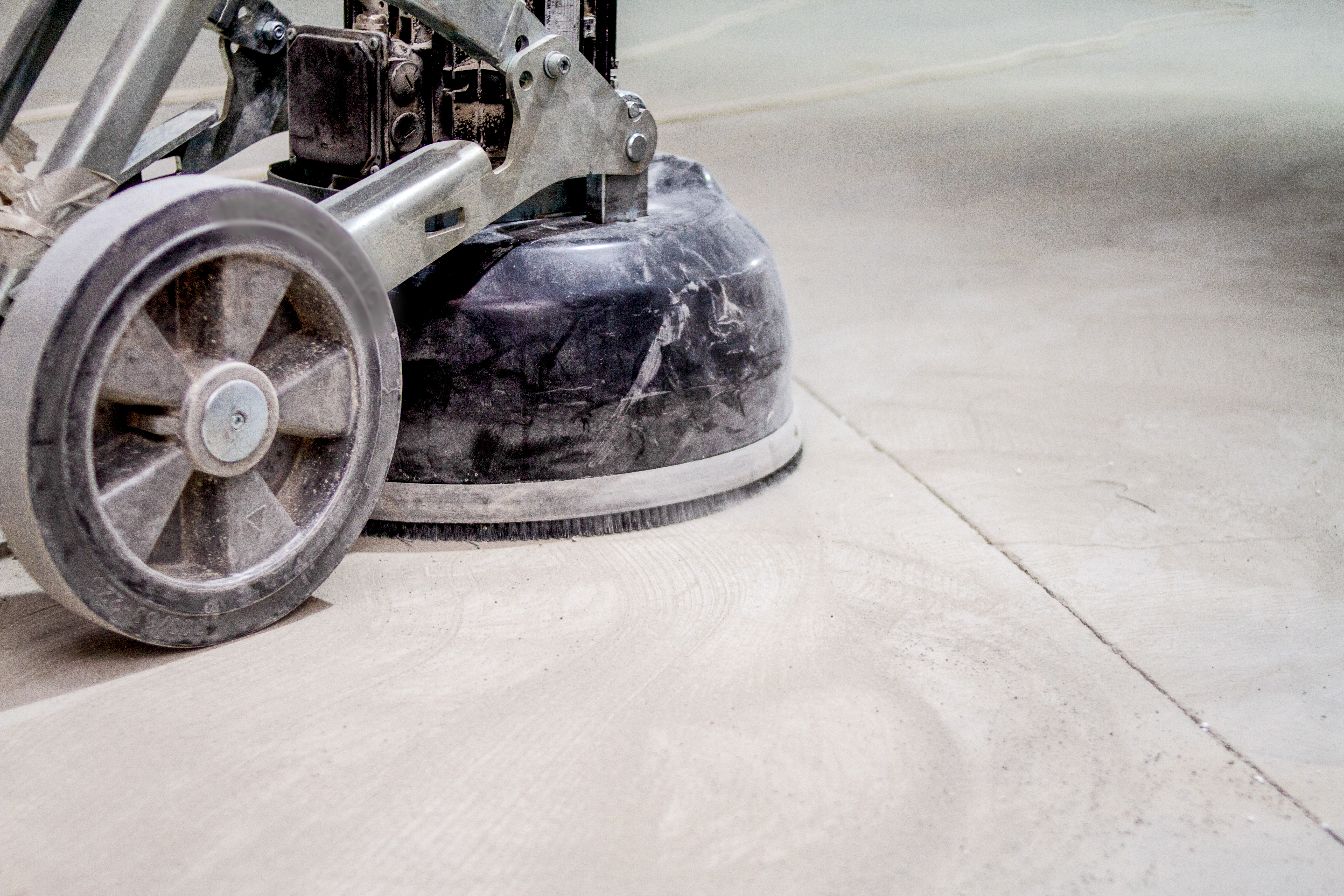
A bakery kitchen floor coating must therefore rely on proper preparation. Existing paint, grease, old repairs, surface deterioration, or contamination can interfere with bonding. Mechanical preparation gives the coating a suitable concrete profile and exposes areas that may need repair first.
This is particularly important in older Northeast Ohio bakery properties where the slab may already have years of food production behind it. The coating should not simply hide that history. The floor needs preparation that accounts for it.
Closing a bakery floor is not a minor scheduling issue. Ingredients, production runs, deliveries, cleaning schedules, staff shifts, and customer demand can all be affected. That makes installation planning essential. Floor preparation usually creates the greatest disruption because equipment and access need to be managed carefully. Curing time matters afterward.
Some systems return to service faster than others, but heavy rolling equipment and full production may require more time than light foot traffic. Larger bakeries may also consider phased installation.
One production area can sometimes remain active while another is prepared and coated, depending on layout and safety. The best schedule respects both the coating requirements and the bakery’s operating needs.
Local weather still finds a way in, indoor production or not. Loading entrances can bring in snow, salt, grit, and water during Northeast Ohio winters. Areas near exterior doors may therefore need more attention to traction and cleaning. Temperature differences can also become greater near loading zones or less-conditioned storage areas. Those conditions do not need to dominate the entire flooring plan.
They simply need to be recognized where they actually affect the building. A bakery floor should respond to the environment at each zone rather than forcing one generic specification across every room.
Bakery owners can learn a lot from completed commercial flooring. Look at surface texture, color consistency, edge details, equipment areas, and large open sections. Those details reveal more than a small material sample. Pro Dynamic Floor Solutions customers can review past flooring projects before deciding how the finished bakery floor should look.

It can be used in suitable bakery areas. However, hotter or more demanding zones may benefit from urethane cement because of its stronger thermal and chemical resistance.
Urethane cement handles temperature swings and hot-water cleaning well, making it useful around ovens, wash areas, and other thermally demanding zones.
Yes. Texture and aggregate can improve traction in wet or greasy areas. The surface should still remain practical enough for normal bakery cleaning.
Sometimes phased work is possible. The answer depends on layout, food-production separation, cure time, safety, and which areas must remain operational.
Yes. Resin systems create a less porous finished surface, helping keep spills and food residue closer to the top where cleaning can reach them.
A bakery floor gets stepped on thousands of times, but that is only part of its workload. It sits below the mixers. It catches ingredients. It deals with water and chemicals. It supports racks moving from one stage to another. Near ovens, it may also face repeated heat that ordinary commercial floors never experience.
Pro Dynamic Floor Solutions installs bakery floor coating in Ohio around those actual production conditions. For bakeries across Northeast Ohio, the next flooring decision should begin with the mixing area, oven line, cleaning routine, and traffic pattern rather than a generic commercial coating sample.
Copyright © 2026 All Rights Reserved. Pro Dynamic Floor Solutions.