

A pole barn floor may begin as storage space and turn into a working shop a few years later. Equipment gets moved in. Benches appear. Fluids reach the slab. Wet boots cross the floor. Heavy items get dragged or rolled from one area to another. That is why pole barn floor coating in Ohio should be planned around the building’s workload instead of treating the concrete like an oversized residential floor. Pro Dynamic Floor Solutions works with Northeast Ohio property owners who want a finished surface that handles work, cleanup, machinery, and changing uses without making the building harder to maintain.

Pole barns have a habit of gaining jobs. A building used for seasonal storage today may become a hobby shop next year. Another property may combine equipment storage, shelving, tools, and utility space from the beginning.
That creates very different traffic patterns across the same slab. Some sections remain almost untouched. Other areas receive repeated rolling loads or concentrated activity around workbenches and equipment.
An agricultural building floor coating should account for those differences. There is little value in selecting a system purely because the building has a pole barn label. The useful questions are much more specific.
What moves across the floor? Where do spills occur? Does water enter through large doors? Which sections receive the most work? How frequently does the floor need cleaning? Those answers tell far more about the coating the building needs.
Machinery places concentrated demands on concrete. Heavy equipment can apply substantial pressure through tires, wheels, stands, or contact points. Turning areas may experience more wear than sections where equipment remains stationary. The coating needs to fit that activity. The condition of the concrete underneath remains equally important.
Epoxy performs best when bonded to properly prepared concrete. Industry and user guidance consistently emphasizes that surface preparation is central to coating adhesion and that contaminated or weak surfaces can lead to failure regardless of product quality.
For pole barns, contamination deserves special attention. Oil, grease, hydraulic fluid, previous floor paint, and years of dirt can become embedded in working areas. Those conditions should be dealt with before pole barn epoxy flooring is installed rather than hidden beneath a new finish. The coating protects the surface. It cannot turn unsound concrete into sound concrete by itself.
Bare concrete absorbs liquids readily. That becomes frustrating inside a pole barn where oil, grease, water, cleaners, or other work-related fluids can reach the slab. Once a liquid enters porous concrete, the stain may remain even after the surface looks dry. A professionally coated floor creates a much less absorbent working surface.
That can make routine spills easier to contain and clean before they work deeper into the concrete. Still, chemical resistance should match the actual substances used in the building.
A hobby workshop may face occasional oil. An agricultural property could deal with fuels, lubricants, maintenance chemicals, or other liquids. Owners should explain those exposures before system selection.
The right question is not simply whether epoxy resists chemicals. It is which materials reach this particular floor and how frequently they remain there.
Pole barn doors connect a large concrete floor directly with the outdoors. Rainwater, mud, melting snow, and wet footwear can quickly create slick areas near entrances.
Northeast Ohio winters make that especially relevant. Texture can help. Decorative aggregate or traction additives can create more grip than a completely smooth finish. However, more texture is not automatically better.
A highly aggressive surface may trap dirt more easily or make sweeping difficult. Small-wheeled carts can also behave differently across rough flooring. That creates a useful tradeoff.
The surface needs enough traction for wet areas while remaining practical for the normal work happening inside the barn. Entrances and wash-prone sections may deserve a different conversation from dry storage zones deeper inside the building.
Pole barn slabs can look deceptively simple. Large uninterrupted concrete makes damage easy to overlook until equipment and storage are moved away.
Cracks, previous patches, worn sections, oil staining, old paints, and surface deterioration can all affect coating work. Older slabs bring years of history. New slabs bring a completely different concern.
Owners building a new barn commonly ask how soon they can coat fresh concrete. Concrete needs appropriate curing before many resin flooring systems can be installed, and moisture conditions still need consideration. Current barn-building discussions repeatedly raise that exact timing issue.
Therefore, flooring plans should begin early when a new pole barn is under construction. The concrete finish, curing period, future preparation, and coating schedule can then be considered before the building fills with equipment. Existing barns require the opposite approach. Everything accumulated on the slab has to be understood before coating can begin.
A working pole barn will never stay spotless. That is not the point. The practical benefit is making routine cleanup less frustrating. Bare concrete can shed surface dust and hold staining. Dirt can settle into porous areas, while fluids may leave permanent marks. A concrete barn floor coating gives sweeping and washing a more predictable surface. That can make a noticeable difference when the building doubles as a workshop.
Dust and dirt remain easier to remove around benches and equipment. Fluid leaks become easier to see on some finishes. Finished concrete also gives the building a more deliberate appearance without turning it into a decorative indoor room. Color selection can support maintenance.
Very dark floors may reveal light-colored dust. Extremely busy flake patterns can disguise dirt but may also conceal small dropped hardware. The right finish should make the barn easier to work in, not simply prettier when empty.
Pole barn floors can still look good. They simply need a different design priority from finished interior spaces. Decorative flake works well for many working floors because it adds visual variation and can help disguise normal dirt.
Solid colors provide a more uniform appearance and may make some leaks or debris easier to notice. More decorative finishes can make sense in hobby barns, finished workspaces, or buildings where the owner wants a stronger visual result. The choice depends on how the property is used.
A building mainly used for clean storage can place more weight on appearance. A shop receiving regular equipment maintenance should put function first. Pro Dynamic Floor Solutions offers different finishes and colors so those decisions can follow the barn rather than one standard recommendation.
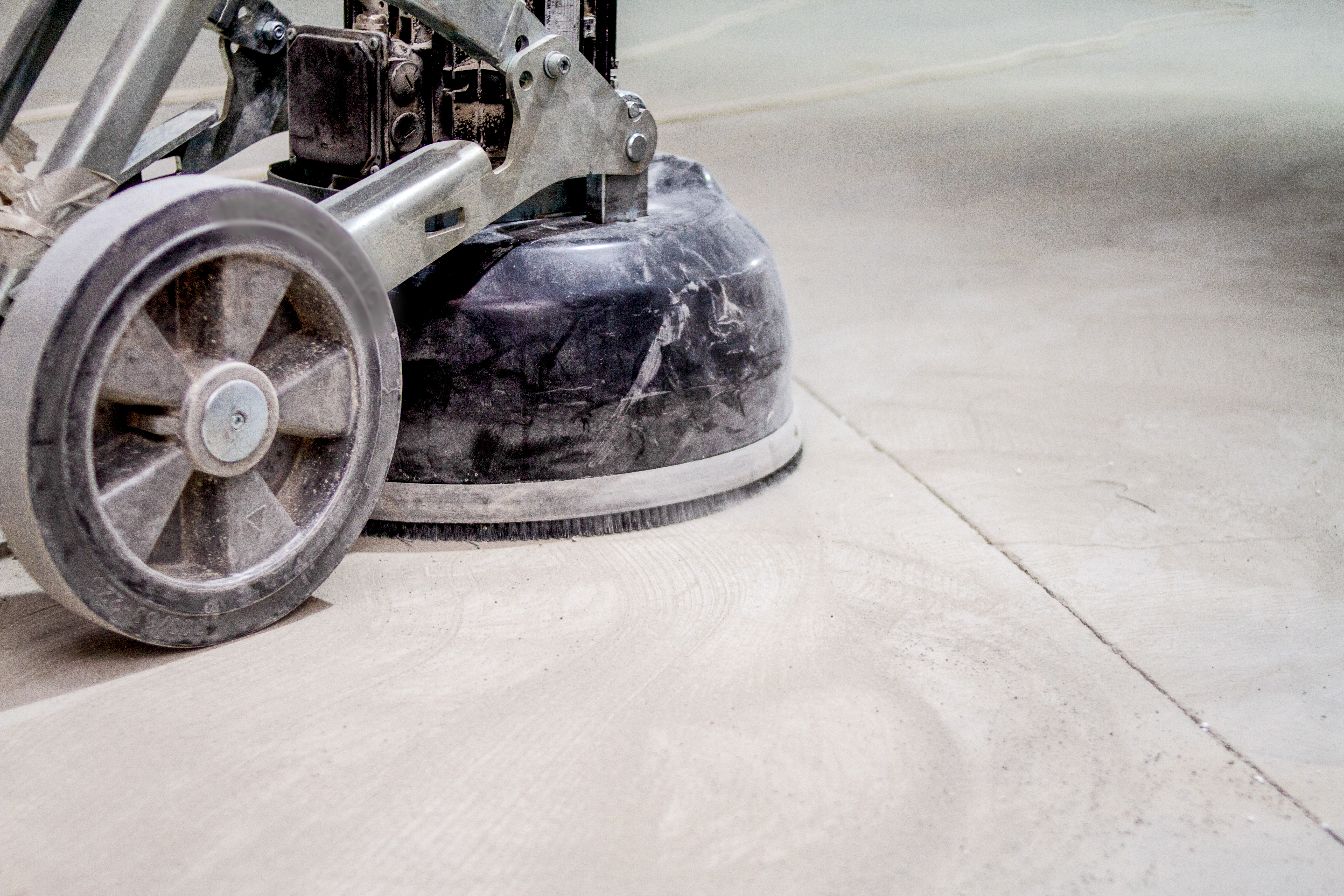

A professionally installed coating can work in spaces with heavy equipment, but the answer depends on more than equipment weight. Tire type, turning movement, frequency of traffic, concentrated loads, concrete strength, and surface preparation all matter.
Heavy machinery can also expose weak concrete underneath the coating. Therefore, the slab should be inspected before selecting the system. A coating can protect the working surface, but it should not be expected to repair structural weakness in the concrete below it.
Yes. Oil contamination can interfere with coating adhesion. The severity matters because a recent surface spill differs from oil that has soaked into concrete over many years.
Contaminated sections may require additional preparation before coating. Simply grinding the surface does not automatically guarantee that deeply absorbed oil has been addressed.
That is why equipment and stored items should be moved before the floor evaluation when possible. Hidden working areas can reveal conditions that change the installation plan.
Entrances deserve more attention to traction because they receive rain, snowmelt, dirt, and wet footwear. A textured coating or traction additive may make sense in these areas.
However, surface roughness needs balance. Very aggressive texture can become harder to sweep and wash. For Northeast Ohio pole barns, the best option usually considers both winter moisture and the equipment or carts crossing the doorway.
The finish should provide useful grip without interfering with normal movement.
Usually not. Fresh concrete needs a suitable amount of time to cure before many coating systems can be applied. The exact timing depends on the slab, moisture conditions, coating chemistry, and product requirements. That allows the concrete contractor and coating installer to account for future surface preparation and scheduling rather than trying to solve those issues after construction is complete.
It can be, because the benefit is not keeping the building spotless. The value comes from making routine dirt and spills easier to manage. Bare concrete absorbs staining and can produce dust as the surface wears. A coated floor keeps more debris at the surface where normal cleaning can reach it.
The decision makes the most sense when the barn sees regular shop work, equipment maintenance, storage, or frequent movement. Owners expecting a purely cosmetic improvement may value the project differently from those trying to make a working building easier to maintain.
A pole barn can collect thousands of dollars in equipment while the concrete beneath everything receives little attention. That floor still affects nearly every job inside the building. It influences traction near the doors, how quickly spills can be cleaned, how easily equipment moves, and how much dust remains around stored items.
Pro Dynamic Floor Solutions installs pole barn floor coating in Ohio around those practical demands. Before the barn fills with another season of storage and work, find out what the concrete needs and which coating fits what happens above it.
Copyright © 2026 All Rights Reserved. Pro Dynamic Floor Solutions.