


A warehouse floor is part of the operation, even though it rarely gets treated that way until something goes wrong. Forklifts follow the same lanes thousands of times. Loaded equipment turns in concentrated areas. Pallets arrive, dust collects, and damaged concrete starts slowing work around joints or worn sections. Pro Dynamic Floor Solutions installs warehouse floor coating in Ohio for facilities that need more from concrete than a cleaner appearance. The right system should account for traffic, loads, chemicals, traction, existing slab damage, and the cost of taking an active area offline. Those decisions matter more inside a warehouse than choosing the gloss level first.

Warehouse traffic is rarely distributed evenly. A storage corner may see little movement, while the main travel lane receives constant equipment traffic. Turning areas near racks can see far more abrasion than open floor space. Loading areas may face another combination of impacts and debris.
That means warehouse epoxy flooring should be planned around traffic patterns rather than total square footage alone. Forklift wheels, pallet jacks, carts, and other rolling equipment apply repeated pressure to specific routes. Industrial flooring guidance regularly identifies traffic frequency, wheel type, loaded equipment weight, and turning zones as important system-selection factors.
Pro Dynamic Floor Solutions can evaluate those higher-use areas before recommending the coating build. A uniform-looking floor does not always need one identical approach everywhere. The areas doing the hardest work deserve the closest attention.
A warehouse cannot simply disappear for several days because the floor needs work. Orders still move. Staff still need access. Inventory may need relocation. Some sections may be impossible to shut down at the same time. That makes cure time an operational decision.
Pro Dynamic Floor Solutions promotes quick installation for its commercial flooring services, with the aim of reducing time away from normal use.
However, installation time and return to heavy traffic should not be treated as the same number.
Forklifts and loaded rolling equipment can require more cure time than light foot traffic. The coating system, temperature, facility conditions, and project size also affect the schedule. For active warehouses, phased installation may be worth discussing.
One section can sometimes be prepared and coated while another remains available for operations. Inventory routes and equipment movement can then shift as areas return to service. The flooring schedule should fit the operation instead of forcing the operation to work around an unrealistic promise.
Not every warehouse deals with the same liquids. One facility may mainly see ordinary cleaning products and occasional oil. Another may store stronger chemicals, coolants, process fluids, battery-related materials, or substances that require more resistance from the floor. That difference matters.
Epoxy systems can provide resistance to many common industrial chemicals and spills, but resistance depends on the specific coating system and exposure. Duration matters as well.
A spill cleaned quickly creates a different situation from chemical exposure left on the floor for hours.
Before installation, facility managers should identify the materials most likely to reach the concrete. That allows the coating conversation to move from vague claims about chemical resistance to the actual substances present on site. Cleaning products deserve inclusion too.
A warehouse floor may face sanitation chemicals more frequently than accidental spills. The coating needs to fit both normal operations and normal cleanup.
A bright finished warehouse can look excellent and still be wrong for the work happening above it.
Traction needs to be considered around loading areas, wet processes, entrances, spill-prone sections, and any floor exposed to tracked-in moisture. Smooth coatings can become more slippery when wet.
Texture and traction additives can improve grip, but adding more texture also creates trade-offs. Heavier textures can become harder to mop or may create more rolling resistance for small wheels.
Current coating users regularly raise that same balance between slip resistance and how easily equipment rolls across the floor. The safest choice is not always the roughest surface available.
The floor needs enough traction for the risk present without making normal warehouse movement unnecessarily difficult. Color can support safety too. Different shades can help separate work areas, walkways, or high-attention zones when the facility layout benefits from visual distinction.
Bare warehouse concrete can create fine dust as the surface wears. It also absorbs spills and can become difficult to clean evenly once stains enter the pores. A coated surface reduces that open porosity.
Dust, debris, and routine spills stay closer to the surface where normal cleaning can reach them. That can matter around inventory, equipment, work areas, and spaces where floor appearance reflects the condition of the facility. A lighter solid finish may make dirt and fluid leaks easier to notice.
Very light floors can also show tire marks and ordinary dirt more quickly. A darker or more patterned finish can disguise routine wear better. The right choice depends on what matters most for that facility. Warehouse design should support inspection and maintenance rather than creating more work simply because one sample looked attractive.
Being indoors doesn’t stop Northeast Ohio weather from reaching a warehouse floor.
Loading doors open during winter. Snow and road salt enter on equipment and footwear. Water can collect near dock areas. Temperature differences may be significant around entrances or partially conditioned sections. Those conditions should be identified before coating.
Areas close to exterior doors can experience a different environment from interior storage sections.
Meanwhile, older Northeast Ohio facilities may have slabs with decades of repairs, stains, previous paints, or unknown coatings underneath. That does not automatically rule out a new industrial system.
It does mean preparation may require more work than a newer warehouse floor.
Pro Dynamic Floor Solutions can evaluate those existing conditions before the facility commits to a heavy-duty warehouse flooring project.
The most important starting point is understanding what the current slab has already been through.
Warehouse coating projects become much easier to plan once the floor is viewed as part of the operation.
Traffic routes can be identified. Damaged sections can be documented. Chemical exposure can be discussed. Downtime limits can be established before crews arrive.
That information gives the project structure. It also helps prevent the coating system from being selected around one feature while ignoring another.
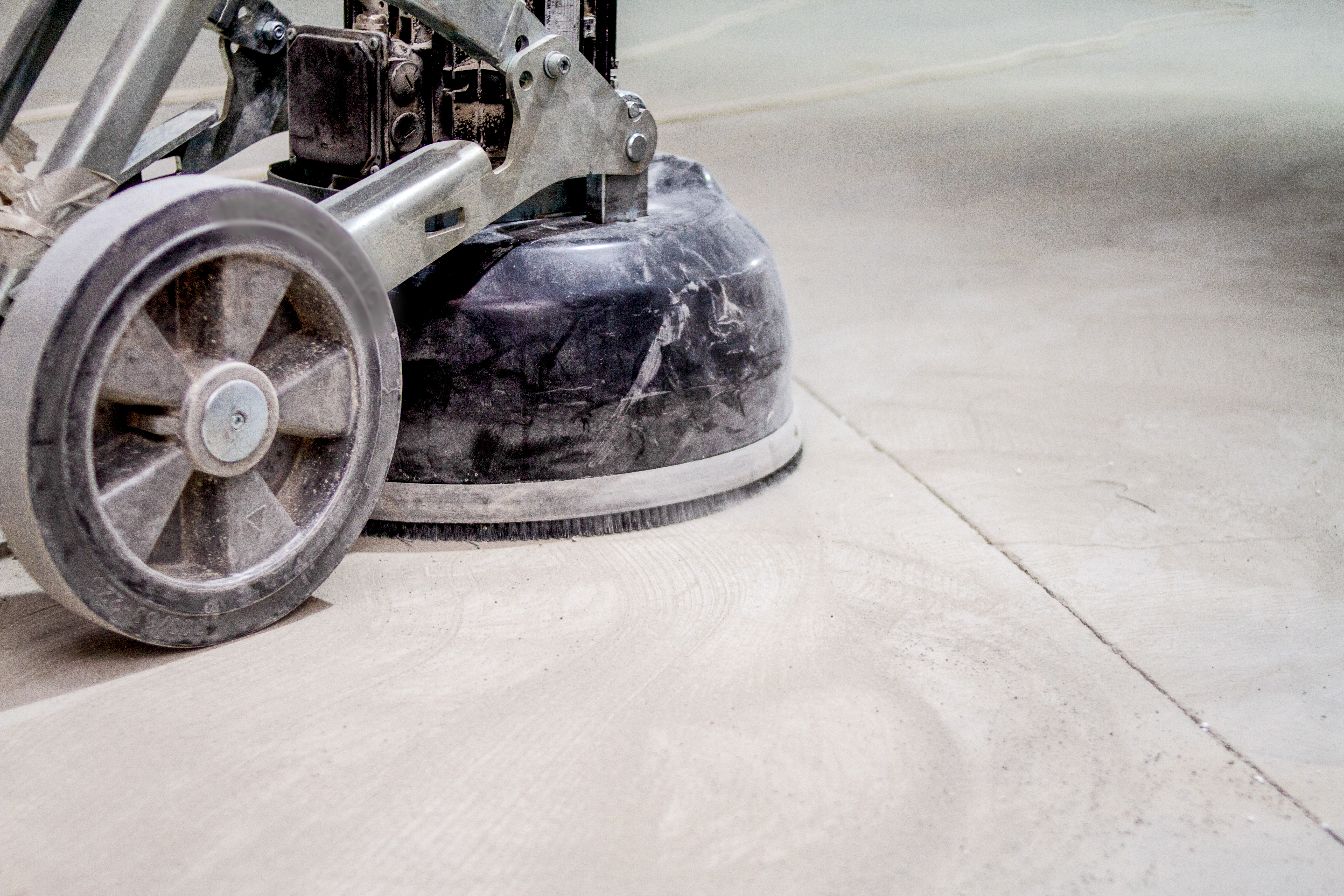

Yes, an industrial epoxy system can be suitable for warehouse forklift traffic when the system is selected and installed for that workload. Equipment traffic needs more detail than simply asking if forklifts are present. Loaded weight, traffic frequency, wheel type, turning areas, and concentrated travel paths all influence wear. Industrial flooring guidance consistently recommends evaluating those operating conditions before specifying the floor.
Concrete preparation also matters. Even a heavy-duty coating can be released if the slab underneath was poorly prepared. For busy Northeast Ohio warehouses, equipment patterns should be discussed during the estimate instead of after wear becomes visible.
There is no single downtime period for every project. Preparation, repairs, coating chemistry, floor size, temperature, humidity, and required traffic all affect return-to-service timing. Foot traffic may return earlier than forklifts or heavily loaded equipment. Some commercial systems are designed around faster curing, while others may need more time before full industrial use.
Large facilities can also ask about phased installation. Coating one zone at a time may allow part of the warehouse to remain operational while another section cures. The project schedule should be discussed before installation so inventory movement and equipment routes can be planned around it.
Many industrial coating systems provide resistance to oils, cleaners, and a range of chemicals. However, no responsible answer should treat every chemical as identical. Facilities should identify the specific substances used or stored on site. Concentration, spill temperature, exposure time, and cleaning frequency can all affect how a coating performs.
The answer depends on traction risk and the equipment using the floor. Smooth surfaces can be easier to sweep, mop, and move small-wheeled equipment across. However, they may provide less traction when wet. Textured finishes can improve grip around entrances, loading areas, or spill-prone zones.
Too much texture may make cleaning harder or increase resistance for carts and casters. Different parts of the same warehouse may benefit from different surface profiles. Instead of choosing one texture from a sample, identify where moisture and slip risk actually occur.
Many older slabs can receive a new flooring system after proper assessment and preparation. Cracks, worn traffic paths, small spalled areas, old paint, and previous coatings may be repairable or removable.
However, major structural movement or severely failing concrete cannot simply be hidden under epoxy. The condition of the slab needs to be identified first.
This is especially important in older Ohio warehouses where floors may have been modified several times during the building's life. The estimate should include the work required to create a sound surface before the coating system begins.
A warehouse floor should not be selected as if the building were empty. The useful questions begin with what happens above the concrete. Where does loaded equipment turn every hour? Which aisles cannot close together? What liquids reach the floor? Which sections become wet near exterior doors? Where does damaged concrete already slow movement or cleaning? Those answers help define the project.
Pro Dynamic Floor Solutions provides warehouse floor coating in Ohio for facilities that need the flooring plan to respect both the concrete and the operation taking place on it. Before another traffic lane wears deeper or another repair becomes part of the daily route, find out what the slab needs and how the work can fit around your facility.
Copyright © 2026 All Rights Reserved. Pro Dynamic Floor Solutions.