

A service bay floor tells the story of the shop long before the first technician says a word. Dark fluid stains, chipped concrete, worn traffic paths, and old repairs can make a working space harder to clean and inspect. Lifts, rolling equipment, tools, and daily service work keep adding pressure to the same areas. Pro Dynamic Floor Solutions installs auto shop floor coating in Ohio for repair facilities, service departments, and dealership work areas across Northeast Ohio. The floor is planned around what technicians actually do there, not around how the bay looks when every piece of equipment has been moved out.

Auto shop traffic is concentrated. Technicians repeatedly work beside lifts. Tool carts follow familiar routes. Equipment rolls through the same lanes. Fluids reach the floor around predictable service points. Those patterns matter because the entire slab does not experience equal wear.
A service bay floor coating should account for high-use zones rather than treating every square foot as identical. Areas beneath lifts may also show years of oil contamination or surface damage once equipment is moved. Doorways collect moisture and abrasive debris.
Workbench zones can experience impacts from dropped tools and components. Before coating, the shop layout should be reviewed as a working system. That includes lift locations, aisle movement, tool storage, wash areas, entrances, and the parts of the floor that receive the hardest daily use.
Bare concrete absorbs. That becomes a maintenance problem inside an auto shop because oil, coolant, brake fluid, cleaners, and other service liquids can reach the slab repeatedly. Once those materials enter porous concrete, staining becomes harder to remove. A professionally installed resin coating gives the floor a much less absorbent finished surface.
That makes routine spills easier to clean before they settle into the concrete. Chemical resistance is not one universal number. Fluids can affect coatings. Concentration and contact time also matter. Pro Dynamic Floor Solutions can discuss which substances are common in the shop before selecting the system. A floor that sees occasional oil drips has different exposure from a busy service department dealing with multiple fluids throughout every shift.
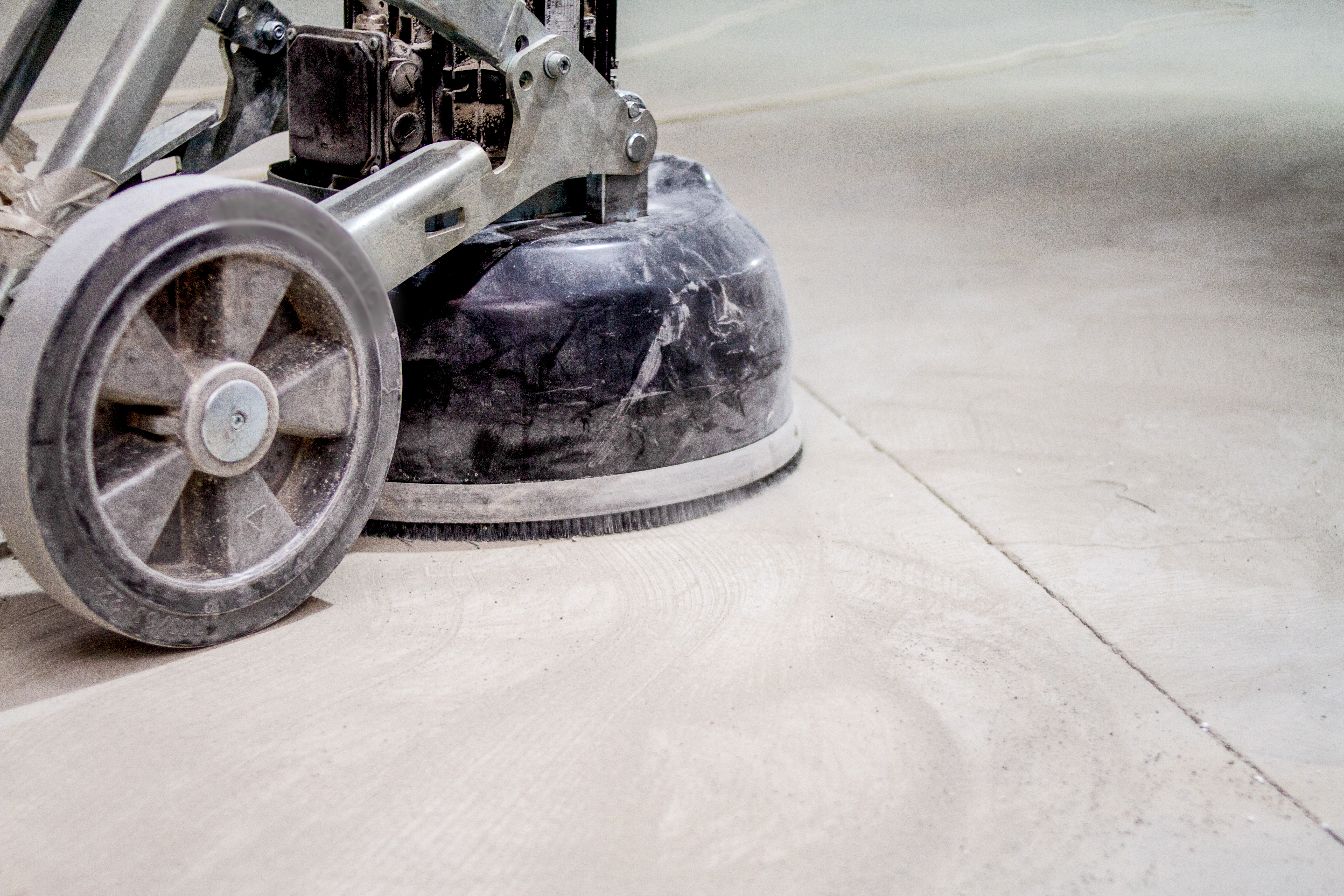
Older mechanic shops rarely have clean concrete waiting underneath the equipment. The slab may contain years of oil exposure, failed paint, old repairs, tire residue, stains, and worn surface areas. That history changes the preparation required. A new coating needs a suitable concrete surface for bonding. Weak old materials cannot simply be buried under a stronger product.
Mechanical preparation can remove previous coatings and create the needed surface profile. However, deeply contaminated areas may require extra attention. For auto shop epoxy flooring, the work before the visible coating matters heavily because contaminated service floors create little room for shortcuts.
A mechanic shop floor can be dry one minute and wet the next. Oil, water, coolant, and cleaning liquids can change traction quickly. That means surface grip deserves serious consideration.
A perfectly smooth high-gloss floor can become slick when wet. Current floor owners frequently raise that concern, especially in spaces used for actual repair work. Texture can improve traction. Still, more texture is not automatically better. A very aggressive floor can become harder to mop and may make tool carts or low-profile equipment more difficult to move.
The practical target is enough grip for the expected fluids without turning daily movement into a chore. Different shop zones can also justify different texture levels. Wet entrances and wash areas may need more traction than dry inspection or storage sections.
Automotive lifts concentrate loads at fixed points. Those areas may also contain anchors, patched concrete, stains, and years of service activity. Before coating, the condition around lift posts deserves inspection. The coating itself does not strengthen weak structural concrete.
Any significant cracking, movement, anchor concerns, or serious slab deterioration should be handled appropriately before the finish is installed. Planning also matters when lifts cannot be relocated easily.
The installation sequence may need to work around temporary access restrictions. That is one reason an auto shop estimate should include a walkthrough of actual service bays instead of relying only on square footage. The equipment affects the flooring project even when it never leaves the building.
Shutting down every service bay at once can be expensive. Repair appointments continue. Technicians need somewhere to work. Customers may already be scheduled. Equipment cannot always be moved into another building. For larger shops, phased installation may help.
Selected bays can be cleared, prepared, coated, and allowed to cure while other sections remain operational. Once the first zone returns to service, work can shift, and the next area can begin.
The exact plan depends on the building layout, coating system, curing requirements, equipment, and safe separation between active work and flooring operations. A phased approach does not remove disruption.
It makes that disruption easier to manage. That distinction matters when the cost of lost service capacity exceeds the inconvenience of the flooring work itself.
The service door doesn’t keep winter out. Snow, salt, grit, and dirty water enter service areas throughout Northeast Ohio. That mixture can collect around entrances and travel deeper into working bays.
Salt residue should not be allowed to remain indefinitely on a finished floor. Regular cleaning protects appearance and removes abrasive debris that can otherwise remain under constant foot and equipment traffic. Wet winter areas also reinforce the need for sensible traction.
The flooring specification should therefore consider what reaches the shop during January as well as what happens during a dry summer workday. Local conditions matter most where they actually affect daily use.
Some auto shops hide the working area completely. Others have glass walls, visible bays, service-drive entrances, or customer paths near technicians. In those properties, the floor contributes to customer perception. A badly stained slab can make an organized shop feel older than it is.
A finished floor creates a more controlled visual base under lifts, cabinets, equipment, and service stations. This matters particularly in dealerships, specialty repair facilities, detailing businesses, and customer-facing service departments. However, appearance should remain practical.
The finish still needs to tolerate work. A service floor that photographs well but creates unnecessary maintenance is not an upgrade. Pro Dynamic Floor Solutions can help businesses compare finishes and colors around both technician use and customer presentation.

Commercial resin systems resist common shop fluids well. The exact coating should still match the chemicals used and how long spills may remain.
Yes, but very busy patterns can hide dropped hardware. Lower-contrast flake blends may give shops a better balance between appearance and visibility.
Often, yes. The lift layout, anchors, concrete condition, and access will determine how preparation and installation are planned.
Any smooth coating can become more slippery when wet. Texture or traction additives can improve grip in service and wash areas.
Possibly. Larger facilities may use phased installation so some bays remain available while another section is prepared, coated, and cured.
A mechanic should not have to work around the floor. Spills should be easier to spot and clean. Small hardware should not disappear into an overly busy pattern. Wet areas need sensible traction. The coating also needs to tolerate the repeated traffic that comes with actual repair work.
Pro Dynamic Floor Solutions installs auto shop floor coating in Ohio around those practical shop conditions. For repair facilities, dealerships, and service departments across Northeast Ohio, the next step is not choosing a color first. Start with the bays, equipment, fluids, downtime limits, and current concrete.
Then build the flooring plan around the shop that needs to keep working.
Copyright © 2026 All Rights Reserved. Pro Dynamic Floor Solutions.